
Leave & Attendance Management for Indian SMEs
Leave and attendance management means tracking work hours, running leave applications and balances, enforcing your attendance policy, and staying compliant with Indian labour law on working hours, rest days, overtime and leave.
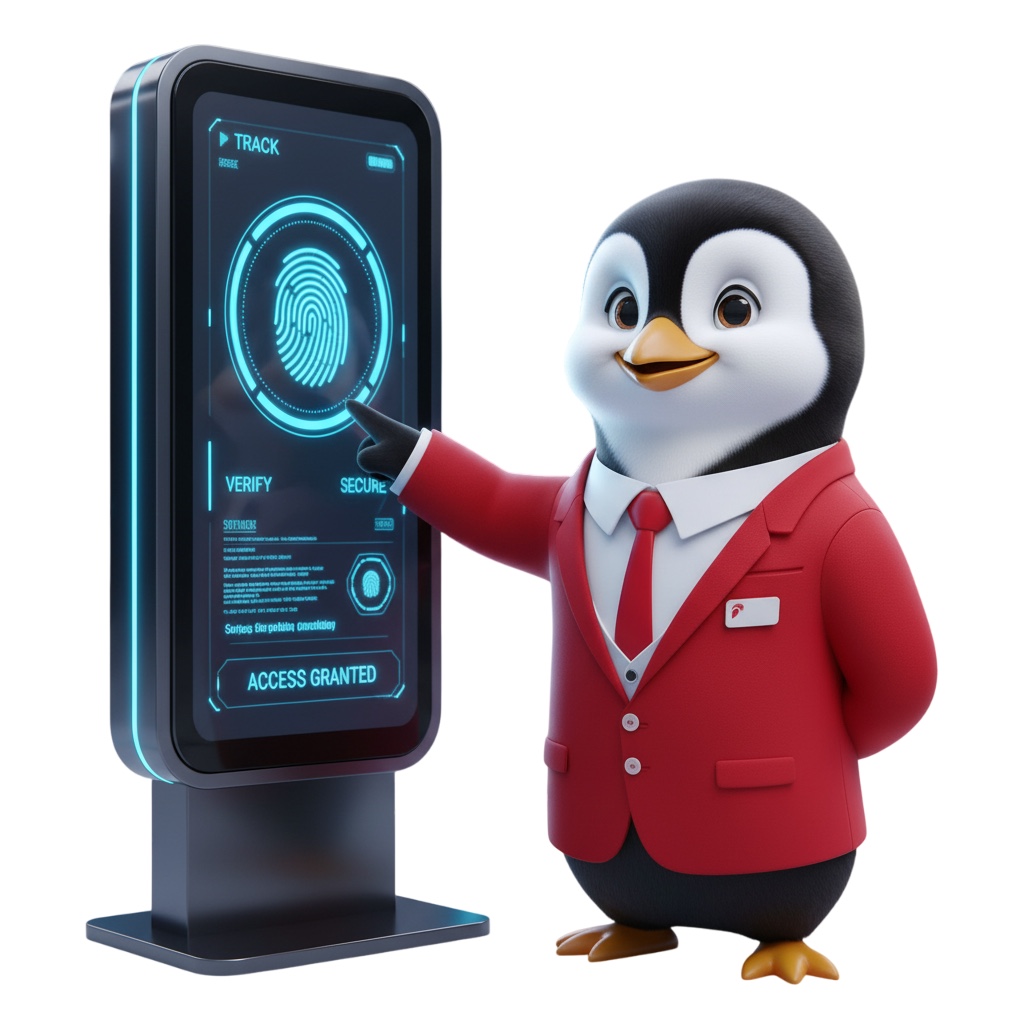
What is leave and attendance management?
Modern leave and attendance management replaces paper registers and spreadsheets. It captures attendance digitally (biometric, mobile or web), works out leave balances automatically, routes approvals, feeds clean data into payroll for loss-of-pay and overtime, and shows you absenteeism patterns at a glance.
Indian companies lose about 7.4% of payroll to unplanned absence and messy attendance tracking (Kronos India, 2023). On a ₹50 lakh salary bill that is ₹3.7 lakh a year, more than a proper attendance system costs.
Attendance capture
Biometric devices, GPS-enabled mobile check-in/check-out, and web-based clock-in for remote employees, all synced to HRTailor HRMS in real time.
Leave policy enforcement
Automated accrual, carry-forward limits, lapsing rules, pro-rata computation for mid-year joiners, and multi-level approval workflows, all configured per your company policy.
Payroll integration
Clean attendance and leave data flows directly into payroll computation, loss-of-pay, overtime, late deductions and leave encashment calculated automatically.
Compliance reporting
State-wise leave entitlements under the Shops and Establishments Act, statutory registers, and audit-ready records maintained automatically.
Why Indian SMEs need professional leave and attendance management
A company with employees across Mumbai, Vadodara, and Bangalore must maintain three separate leave policy configurations. Applying Maharashtra’s leave rules to a Gujarat-based employee creates compliance violations.
State-wise leave compliance is complex
India has no single leave law. The Shops and Establishments Act sets leave and it is a state subject, so rules differ everywhere: 21 days earned leave in Maharashtra, 18 in Karnataka, 15 in Gujarat, 12 in Tamil Nadu, and so on.
Manual tracking causes payroll errors
Track attendance on paper or spreadsheets and errors pile up: late arrivals slip through, unapproved leave is not deducted, overtime is guessed. The result is wrong salaries and disputes.
Absenteeism patterns go undetected
Without analytics, management cannot identify which departments have the highest absenteeism, which days see the most unplanned leaves, or whether specific employees are habitually late. These patterns cost money and productivity.
Leave encashment liability grows untracked
Unused earned leave has to be paid out when someone leaves. Without accurate tracking, that becomes a surprise bill at exit.
What HRTailor’s leave and attendance management includes
Leave Policy Design & Configuration
We design leave policies that are state-compliant, competitive and right for your culture. Our team, led by Makarand Gaikwad (Business HR Head, 15+ years), sets up every leave type, accrual and carry-forward rule, encashment terms, approval workflows, and a separate configuration for each office state.
Attendance Tracking & Biometric Integration
Biometric devices (fingerprint, face, RFID from ZKTeco, eSSL, Realtime and Mantra) sync straight into the HRMS. Field and remote staff check in by GPS mobile with geo-fencing; office staff clock in on web with IP limits. Shifts, rotations and flexi-timing are handled, with regular hours, overtime and shortfall calculated automatically.
Self-Service Leave Application & Approval
In the HRMS employees see live leave balances, apply with a reason, check the team calendar before booking, and track approval. Managers get instant alerts and can approve, reject or query from mobile or web.
Regularisation & Exception Handling
Missed punches, half-days, outdoor duty and grace periods are all handled through HRMS workflows with an audit trail. Comp-offs are credited automatically for holiday or extra hours, with expiry rules. Work-from-home and on-duty (client visits, training, travel) each get their own attendance marking and approvals.
Leave Encashment Processing
We run the whole leave-encashment cycle: eligibility, exit computation, accumulation caps, full-and-final settlement, the tax treatment (taxable in service, exempt up to ₹25 lakh at retirement under Section 10(10AA)), and leave-liability reports for finance and audit.
Attendance & Leave Analytics
Clear analytics: attendance by team and location, absenteeism trends, org-wide leave balances, late-in and early-out reports, overtime cost, and leave-liability forecasts for planning.
How HRTailor delivers leave and attendance management
Current State Assessment
We review your existing leave policy, attendance tracking methods, and compliance status, identifying gaps between current practices and legal requirements of each state.
Leave Policy Design
We design a compliant leave policy covering all leave types, accrual rules, carry-forward provisions, encashment eligibility, and approval workflows, reviewed with your leadership.
System Configuration
Policy configured on HRTailor HRMS with all rules, workflows, and state-specific variations. Balances migrated, attendance devices integrated, mobile/web check-in activated.
Communication & Training
Leave policy communicated to all employees with self-service portal training, manager approval-workflow training, and new-joiner onboarding documentation.
Ongoing Management
Each month we process attendance, reconcile balances, flag exceptions and hand clean data to payroll. Each quarter you get attendance and leave-liability reports.
Annual Review & Policy Update
At each financial year-start we update the policy for any law changes, carry forward or lapse balances, and load fresh state holiday lists.
State-wise leave entitlements under Shops and Establishments Acts
This reference table helps you understand minimum leave entitlements across major Indian states. HRTailor configures your leave policies to meet or exceed these statutory minimums.
| State | Earned Leave | Casual Leave | Sick Leave | National & Festival Holidays |
|---|---|---|---|---|
| Maharashtra | 21 days (1:20 ratio) | N/A | N/A | 9 (4 national + 5 festival) |
| Karnataka | 18 days (1:20 ratio) | N/A | N/A | 5 national holidays |
| Tamil Nadu | 12 days (1:20 ratio) | 12 days | 12 days | 5 national holidays |
| Delhi | 15 days (1:20 ratio) | 12 days | N/A | As notified |
| Gujarat | 15 days (1:20 ratio) | N/A | N/A | As notified |
| Telangana | 15 days (1:20 ratio) | 12 days | N/A | 5 national holidays |
| West Bengal | 14 days (1:18 ratio) | 14 days | 14 days | As notified |
| Rajasthan | 15 days (1:20 ratio) | N/A | N/A | As notified |
Note: Maternity leave of 26 weeks is mandated centrally under the Maternity Benefit (Amendment) Act 2017 and applies uniformly across all states. Leave entitlements above are minimum statutory requirements; companies may offer more generous policies.
Who needs professional leave and attendance management?
58% of Indian HR teams call leave and attendance their most time-consuming task (People Matters India, 2024). Automating it frees them for work that actually grows the company.
- ✓ Companies still using manual registers: If attendance is tracked on paper or in spreadsheets, you are losing accuracy, time, and compliance confidence. Transitioning to a digital system eliminates these risks.
- ✓ Multi-location businesses: Companies with offices in two or more Indian states need different leave policies for each location. HRTailor manages this complexity centrally.
- ✓ Organisations with shift-based operations: Manufacturing, BPO, logistics, and healthcare companies with multiple shifts need robust shift scheduling, overtime computation, and rotational management.
- ✓ Companies with remote or field staff: When employees work from home, travel to client sites, or operate in the field, traditional attendance systems fail. GPS-based mobile attendance solves this.
- ✓ Growing startups: Companies transitioning from informal “just message the founder” leave to structured, compliant policies as they scale past 10 to 15 employees.
Leave and Attendance Management Pricing
Leave and attendance management is part of HRTailor’s integrated HR outsourcing plans:
Starter Plan
- Leave policy configuration
- Web-based attendance tracking
- Leave balance tracking
- Basic approval workflows
- Payroll integration
Standard Plan
- Biometric device integration
- Mobile attendance with GPS
- Multi-state leave policy management
- Shift scheduling
- Attendance analytics
- Leave encashment processing
- HRTailor HRMS self-service portal access
For standalone leave and attendance management or companies with more than 15 employees, contact us for customised pricing.
Why automate leave and attendance management?
Indian SMEs lose an average of ₹3.7 lakh annually to attendance-related payroll errors, compliance penalties, and untracked absenteeism, more than the annual cost of a professional attendance management system.
HRTailor eliminates these losses with clean, compliant, payroll-ready data from day one.
Automate your leave and attendance management
Stop losing time and money to manual attendance tracking and non-compliant leave policies. HRTailor provides a complete, state-wise compliant leave and attendance management solution that integrates seamlessly with your payroll.
Leave policy designed in 3 business days. Plans from ₹10,000/month. Biometric integration included.
Frequently asked questions
Reviewed by the HRTailor payroll and compliance team. Last updated: 2026-09.