
Last Updated on September 3, 2026 by [email protected]
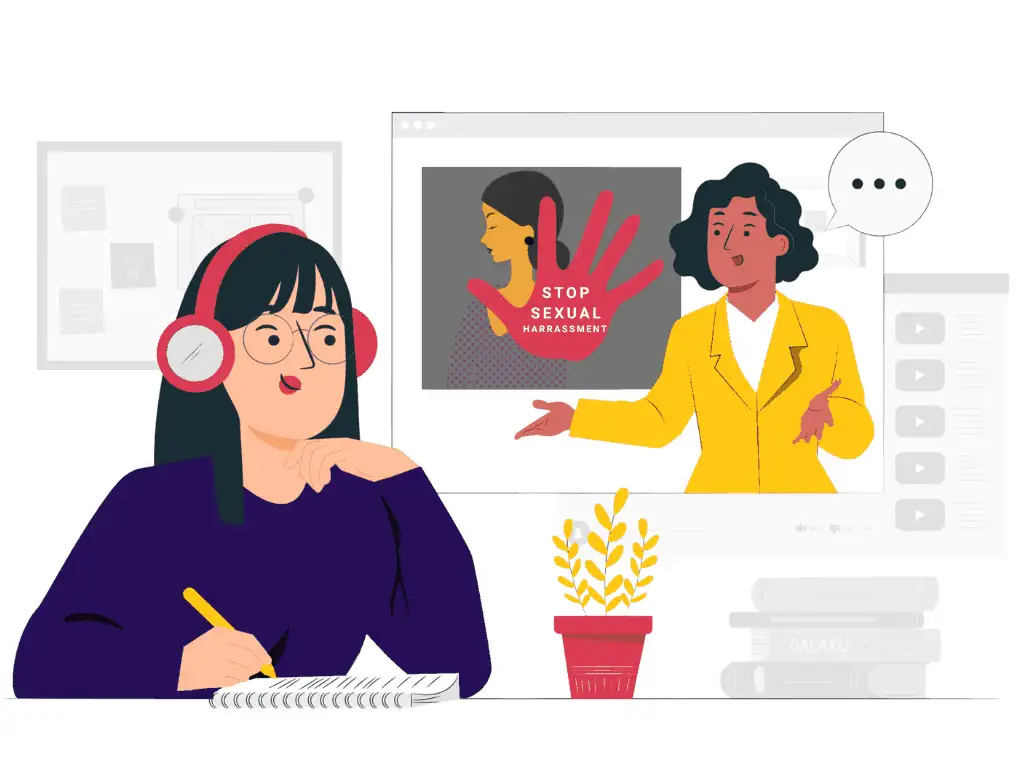
Most Indian startups discover the POSH Act the hard way - usually a legal notice, a Twitter thread, or an investor asking for a compliance certificate before the next round. By the time the question comes up, you are already six months late.
The POSH Act small company India compliance question comes up the moment you cross ten employees. The Sexual Harassment of Women at Workplace (Prevention, Prohibition and Redressal) Act, 2013 - POSH for short - applies to every workplace in India with 10 or more employees. That includes coworking-based startups, distributed teams with two women in the Bengaluru office, and seed-stage companies without an HR person yet. This is a plain guide for founders who need to be compliant this quarter without three months of googling.
Note: this is a working overview, not legal advice. Confirm specifics with a POSH consultant or employment lawyer before you constitute your Internal Committee.
POSH Act small company India: when the 10-employee rule triggers
You can read the official Act and file complaints via the Ministry of Women and Child Development SHe-Box portal. The rules below are the practical version.
The 10-employee threshold is the trigger, counting everyone - permanent, contract, interns, part-time, and consultants on your premises. Once you cross 10, three obligations kick in:
- Constitute an Internal Committee (IC).
- Publish a POSH policy that every employee acknowledges.
- Conduct annual training and file an annual return with the District Officer.
Non-compliance carries a penalty up to ₹50,000 for the first offence. Repeat non-compliance can lead to cancellation of business licence. In a real complaint scenario, absence of an IC means the case escalates directly to the Local Committee - a much worse position to be in.
Building an IC when you are only 15 people
The IC must have four members. In a small team, this is where founders get stuck.
| Role | What the Act requires | SME reality |
|---|---|---|
| Presiding Officer | Woman, senior level | Often the co-founder or head of ops |
| 2 Employee Members | Commitment to women’s cause or relevant experience | Any two employees willing to take training |
| External Member | NGO / social worker / person familiar with sexual harassment issues | Empanelled POSH consultant, ₹15k–₹40k a year |
At least half the IC must be women. In a 4-member committee, that means minimum two, including the Presiding Officer.
The external member - the part most SMEs get wrong
The external member must be independent - not on your payroll and not an investor’s HR person. Options that qualify:
- Someone from an NGO or association working on women’s issues.
- A social worker with at least five years of relevant experience.
- A person with legal knowledge or familiarity with sexual harassment issues.
Practical answer: empanel with a POSH consultancy or a certified independent professional. Annual retainers run ₹15,000–₹40,000 depending on how many IC meetings and training sessions they attend.
The POSH policy - what actually goes in it
A compliant policy covers:
- Definition of sexual harassment as per the Act (verbal, non-verbal, physical, unwelcome conduct).
- Scope - employees, contract workers, interns, visitors, clients on premises.
- IC composition, contact details, and how to file a complaint.
- Complaint procedure - timelines, confidentiality, interim relief options.
- Consequences and zero-retaliation clause.
Every employee must acknowledge receipt - in writing or electronically. Store the acknowledgments. This is the first thing an inspector or complainant’s lawyer will ask for.
Annual training and annual return
The Act requires annual awareness training for all employees and specialised training for IC members. Typical formats: live session with attendance record, self-paced module with certificate, or IC-only workshop. Duration: 45–90 minutes for employees, 4–8 hours for IC members. Cost through a specialist: ₹8,000–₹25,000 a year.
Every employer files an annual return with the District Officer listing complaints received, resolved, pending, and training conducted. Deadline: January each year for the previous calendar year. For most SMEs it is a single-page form with mostly zeros - but not filing is a violation on its own.
The 30-day compliance plan
- Empanel an external member - get quotes from two or three POSH consultancies.
- Draft the POSH policy from a compliant template, adapted to your context.
- Constitute the IC with formal appointment letters to all four members.
- Roll out policy acknowledgment; every employee signs or e-acknowledges.
- Conduct awareness training - one for all employees, one for the IC.
- Set up a complaint mechanism that reaches the IC directly, not the founder’s inbox.
- Calendar the January annual return.
- Publish IC details on your notice board or intranet - this is a statutory requirement.
Related reading
- The First 5 HR Documents Every Indian Startup Needs Before Employee #10
- PF, ESI, PT: The 3 Compliance Deadlines That Quietly Fine Small Businesses
- Labour Codes India SME Guide: 2026 Prep Checklist
Frequently asked questions
Does POSH apply to remote-only teams?
Yes. The Act applies to the “workplace,” interpreted to include any location where work is performed - including employees’ homes and virtual meetings. The IC obligation attaches to the employer, not a physical office.
Do we need an IC if we have only 2 women employees?
Yes. The 10-employee threshold counts total headcount, not women employees.
Can male employees file POSH complaints?
The Act specifically protects women. Male employees facing harassment must go through your general HR grievance policy or civil remedies. Progressive SMEs adopt a gender-neutral internal policy that goes beyond the Act’s minimum.
What if the complaint is against a founder or CEO?
The IC has authority to investigate any employee, including senior leadership. The Presiding Officer’s independence matters here - which is why that role should not be held by someone reporting directly to the accused.
How much does POSH compliance cost for a 15-person startup?
Realistic annual cost: ₹25,000–₹75,000. That covers external member retainer, policy drafting, annual training, and IC training.
What records do we need to maintain?
IC constitution letter, POSH policy with employee acknowledgments, training attendance and certificates, complaint register (even if zero), annual return filed. Retain for at least three years.
A ready-to-edit employee handbook for Indian SMEs - aligned to the 4 Labour Codes.
Get it free →