
How to Create a Statutory Compliance Calendar for Your Business
Managing compliance is one of the trickiest parts of running a business in India. With multiple labor laws, tax obligations, and state-specific requirements, it’s easy for companies to miss deadlines—and a single slip can result in penalties or reputational damage.
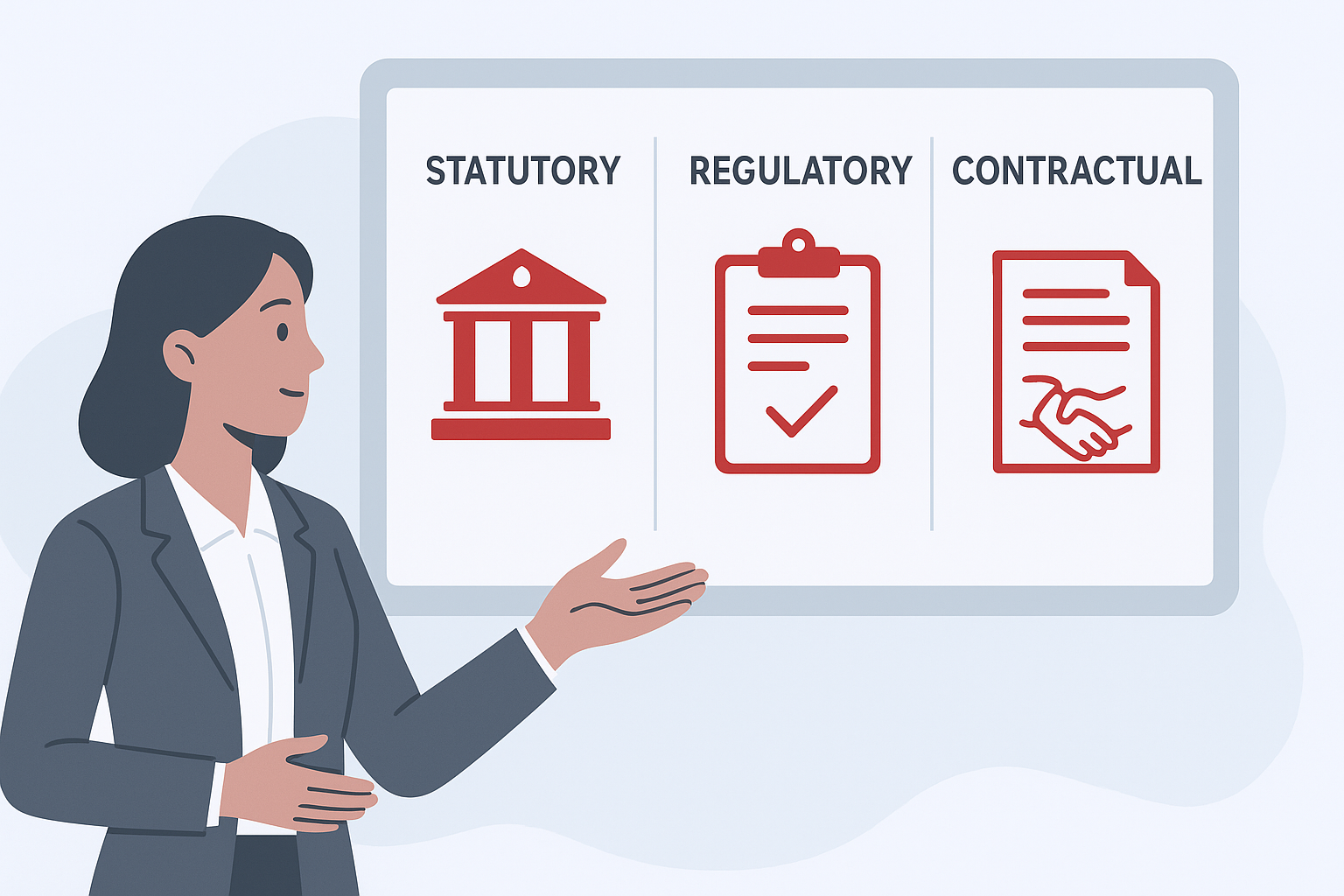
Statutory vs. Regulatory vs. Contractual Compliance
If you run a business in India, you’ve probably heard the words statutory compliance, regulatory compliance, and contractual compliance thrown around in meetings, audits, or legal discussions.But let’s be honest—most people outside of HR and legal teams find these terms confusing.

What is Statutory Compliance in HR? (Meaning, Examples, and Laws in India)
Managing people is complex. Beyond recruitment, payroll, and employee engagement, HR has a serious responsibility — ensuring every action complies with the law. This responsibility is called statutory compliance in HR. In India, statutory compliance is not optional.

HR Compliance Trends to Watch Out for in 2025 and Beyond
As the workplace transforms, so must HR compliance. In 2025, evolving regulations and workplace expectations are forcing companies to innovate in how they manage employee data, remote work, wellness, and more. Let’s explore five emerging compliance trends, why they matter, and what forward-thinking businesses should prepare for.
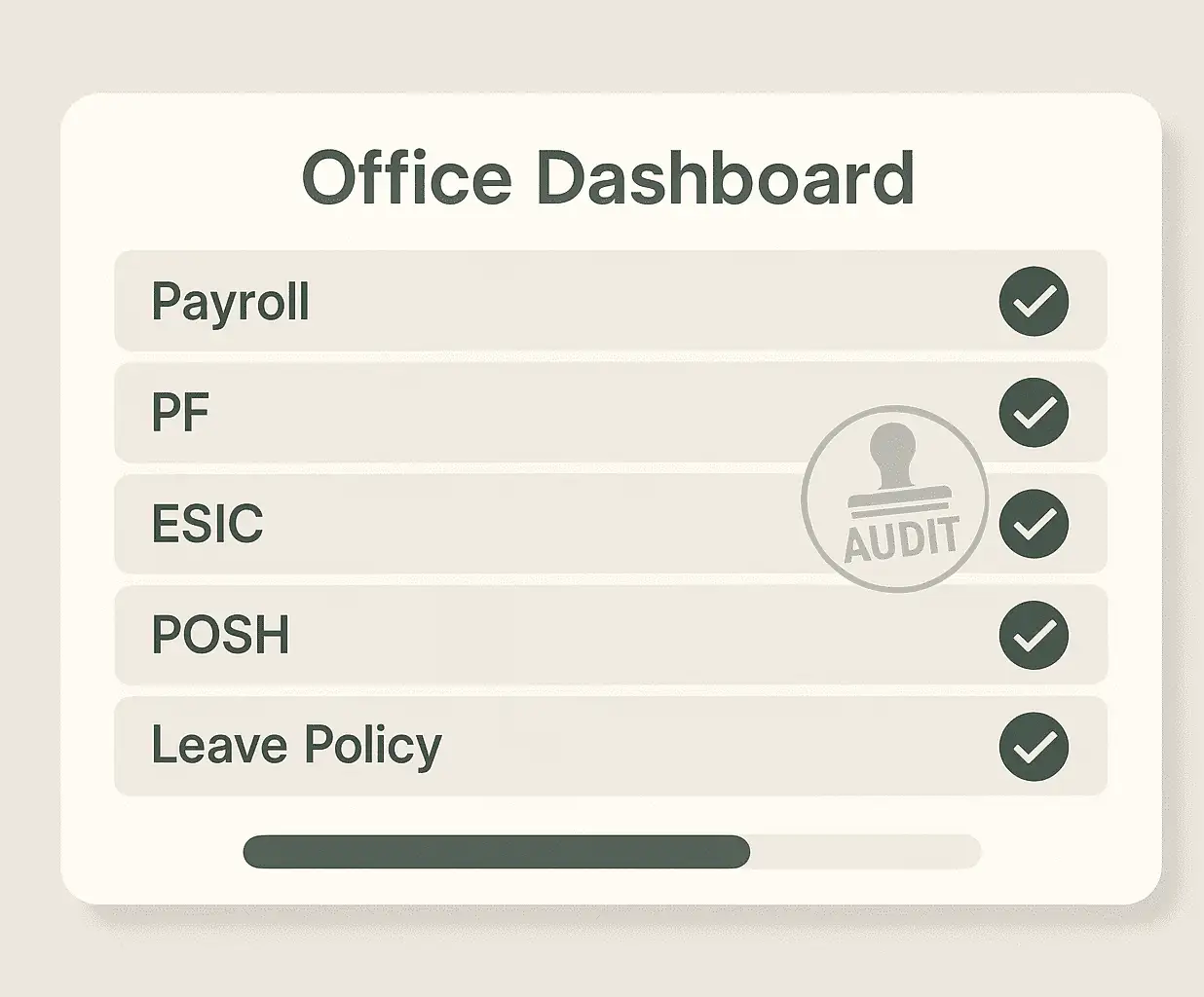
How to Prepare for Your Next HR Compliance Audit and What to Expect in the Report
Preparing for an HR Compliance Audit isn’t just about ticking boxes. It’s about understanding the laws, organizing documentation, and aligning your policies with ever-evolving regulations. In 2025, with India’s workforce becoming more tech-enabled and labor reforms getting stricter, HR compliance has gone from a back-office task to a boardroom priority.
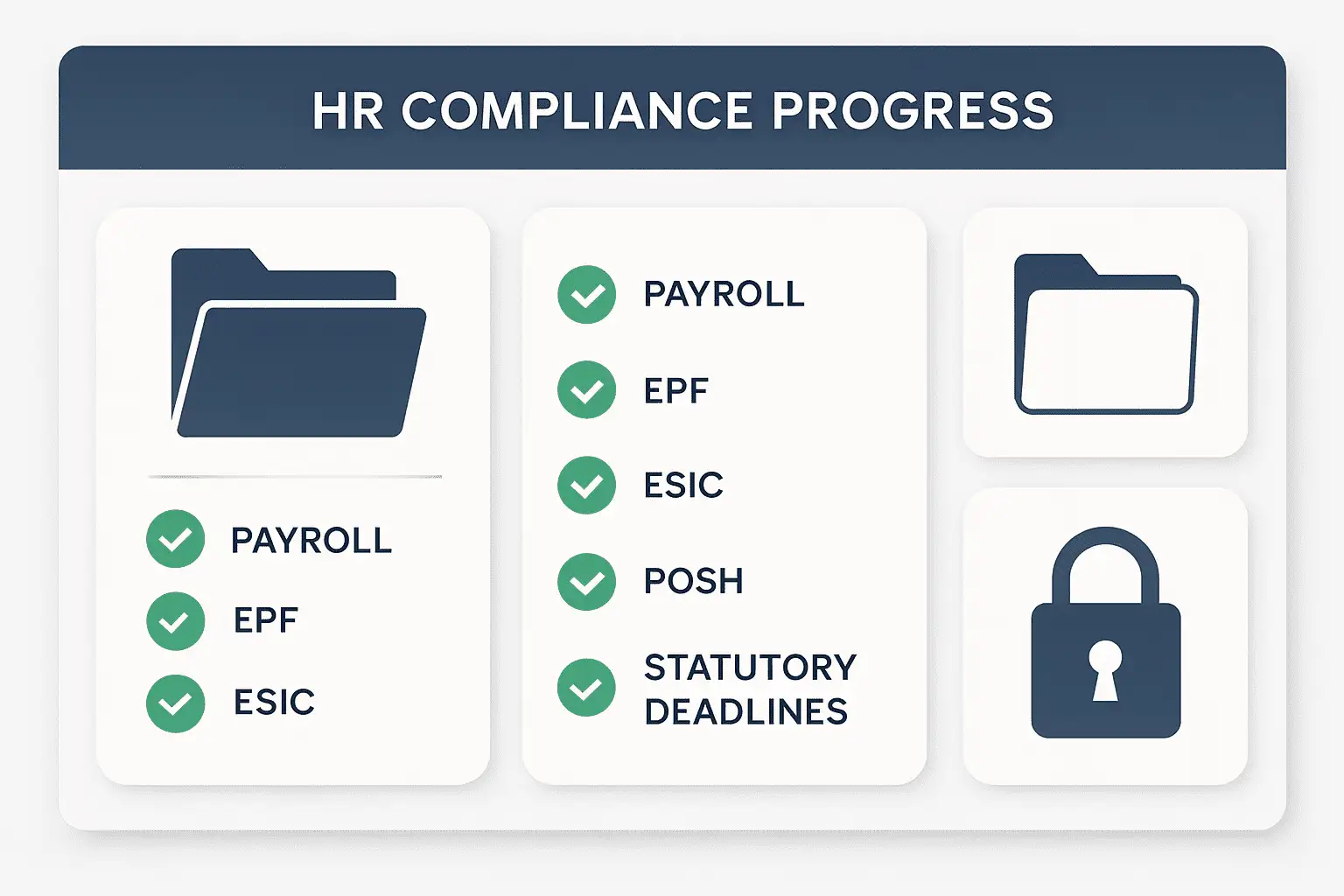
The Only HR Compliance Checklist India-Based Businesses Need
As we move deeper into 2025, Indian businesses face a growing list of HR-related regulations. From labor reforms to gender safety, payroll filings to welfare contributions—compliance is no longer a quarterly task, but a daily responsibility. What’s more, regulators are using digital tools to flag non-compliant companies faster than ever before

Labour Compliance Trends in India for 2025: What Every Employer Needs to Know
India’s labour landscape has been evolving rapidly, with significant reforms aimed at modernizing outdated regulations and improving worker protections. In 2025, businesses are likely to face stricter enforcement of the new labour codes, along with emerging trends influenced by global practices and India’s own socio-economic challenges

5 Signs Your Business Is Failing Labour Compliance (And How to Fix It)
Labour compliance isn’t just a box-ticking exercise—it’s the foundation of a fair and legally sound workplace. Whether you’re a small business owner or managing a large company, failing to comply with labour laws can result in severe consequences, including financial penalties, loss of employee trust, and even legal battles.

Mastering Statutory Compliance Setup: A Guide to Keeping Your Business Safe and Legal
For many business owners, the phrase “statutory compliance setup” might not spark a lot of excitement. It might even sound like a tangle of rules and red tape you’d rather avoid. But here’s the truth: setting up statutory compliance is absolutely essential if you want to avoid fines, build trust with your employees, and keep your business running smoothly.

Why Compliance is Crucial for Small Businesses: Protecting Your Business and Building Trust
Running a small business comes with its fair share of challenges. From managing day-to-day operations to scaling growth, small business owners often wear many hats. Amid all this, compliance might seem like something only big companies need to worry about. However, nothing could be further from the truth.

How to Conduct an Internal Compliance Audit for Employee and Business Standards
In a world of increasing regulations and rising expectations for ethical business practices, maintaining compliance is crucial for every organization. Internal compliance audits are an invaluable tool to identify gaps, mitigate risks, and ensure that your organization adheres to legal and regulatory standards, as well as internal policies.

HR’s Role in Business Compliance: Key Responsibilities and Strategies
In today’s business landscape, compliance is about more than just avoiding fines—it’s about creating a trustworthy and ethical workplace that attracts top talent and builds a positive brand reputation. While departments like legal and finance often handle regulatory compliance, Human Resources (HR) plays a crucial role in employee and business compliance.

Top 5 Employee Compliance Mistakes That Could Cost Your Business
Keeping up with statutory compliance is a critical part of running a business. Statutory compliance refers to the legal framework within which an organization must operate, covering everything from employee wages and benefits to workplace safety and anti-discrimination measures.

Top 10 Employee Benefits Every Company in India Should Offer to Attract and Retain Talent
With a rapidly evolving workforce and competitive job market, companies in India are increasingly realizing the importance of effective benefits management. A strong benefits package not only helps attract top talent but also keeps employees engaged and motivated.

Are You Confident in Your Labour Compliance Practises? Here’s Why You Should Be
Labor compliance isn’t just a checkbox for businesses to tick off—it’s a foundational aspect of running a responsible, trustworthy, and legally sound company. With labor regulations constantly evolving, the challenge of staying compliant can feel overwhelming.

Is Compliance Worth the Effort? Here’s Why Your Business Can’t Afford to Ignore It
In recent years, government oversight has skyrocketed, and businesses of all sizes are feeling the pressure. Keeping up with evolving regulations on employee welfare, taxes, and workplace standards isn’t just a nice-to-have—it’s a necessity.