What Happens When Companies Delay Outsourcing HR Functions
In the early stages of growth, managing HR internally often feels manageable. Teams are small, communication stays informal, and leadership remains closely involved in daily operations. However, as companies expand, HR responsibilities increase faster than expected. Payroll becomes more layered, compliance requirements multiply, and employee expectations evolve.
When organisations delay Outsourcing HR Functions, the impact does not appear overnight. Instead, operational strain builds quietly. Over time, these hidden pressures slow decision-making, increase risk, and reduce organisational focus.
Why Delays Rarely Feel Risky at First
At first, nothing appears broken. Payroll still runs, compliance tasks get completed, and employee queries receive responses. Leaders and HR teams compensate with extra effort, often stepping in wherever needed.
However, effort cannot replace structure indefinitely. As headcount grows, manual checks increase. Deadlines get tighter. Small gaps start appearing, even though the system still seems functional. Because these changes happen gradually, companies often underestimate their long-term impact.
HR Complexity Grows Faster Than Business Leaders Expect
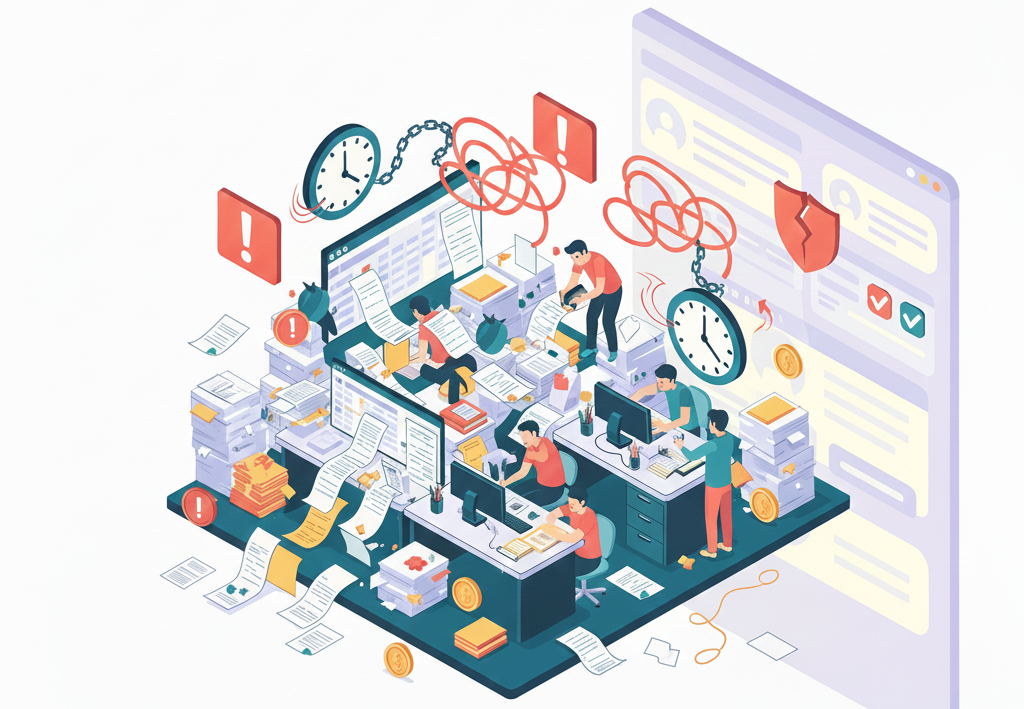
Each new hire adds more than just payroll entries. Documentation, statutory compliance, benefits administration, and internal communication all increase simultaneously. As a result, internal HR teams spend more time managing tasks and less time improving processes.
Eventually, priorities collide. Recruitment timelines overlap with payroll cycles. Compliance filings compete with employee support. HR becomes reactive, even though the intent remains proactive. This is often the stage where growth starts to feel heavier instead of exciting.
Compliance Risks Accumulate in the Background
Compliance challenges rarely arrive as a single failure. Instead, they build through small oversights. A filing happens late. A policy update gets delayed. Documentation remains incomplete longer than planned.
Individually, these gaps seem manageable. Collectively, they create exposure. When audits arise or regulations change suddenly, companies find themselves scrambling. At this point, delaying Outsourcing HR Functions shifts from being a cost-saving choice to a risk-bearing one.
Leadership Bandwidth Gets Drained Without Realising It
As HR complexity rises, leadership involvement increases quietly. Founders approve payroll clarifications. Senior managers handle policy questions. Compliance escalations reach decision-makers.
Although each interruption feels minor, the cumulative effect is significant. Strategic thinking gives way to operational problem-solving. Over time, leadership focus shifts away from growth and toward firefighting. This hidden cost rarely appears on balance sheets, yet it directly affects momentum.
Employee Experience Starts to Feel Inconsistent
Employees quickly notice when HR systems struggle to keep pace. Response times slow. Policy explanations vary. Payroll-related clarifications require follow-ups.
Even high-performing teams lose confidence when administrative processes feel uncertain. As trust erodes, engagement drops. Eventually, retention becomes harder—especially in competitive talent markets. At that stage, HR challenges begin influencing business continuity.
Internal HR Teams Face Pressure and Burnout
Without external support, internal HR teams absorb growing pressure. They stretch working hours, manage overlapping priorities, and carry accountability for every function. Over time, fatigue sets in. Burnout increases. When experienced HR professionals leave, companies face disruption, knowledge loss, and recruitment delays. This turnover compounds existing problems rather than solving them.
The Real Cost of Waiting Becomes Clear Later
Many organisations delay HR outsourcing to control costs. However, hidden expenses emerge gradually. Compliance penalties, urgent fixes, attrition-related rehiring, and leadership time all add up. Because these costs appear separately, they often escape early scrutiny. Eventually, budgeting becomes reactive rather than planned. Ironically, the effort to avoid external support increases overall expenditure.
Why Timing Matters More Than Urgency
Most companies do adopt HR outsourcing eventually. Unfortunately, many wait until pressure forces the decision. By then, systems need repair, teams need support, and compliance gaps require correction. This explains why Outsourcing HR Functions works best when introduced as a growth strategy rather than a crisis response. Early adoption allows companies to build discipline instead of recovering from disruption.

Written by Abhijit Divekar
Abhijit Divekar is the Managing Director and Founder of HRTailor, India's first dedicated online HR manager service for startups and SMEs. Founded in 2019, HRTailor has grown to serve over 200 clients across India, offering end-to-end HR outsourcing starting from just INR 10,000 per month. Abhijit writes about entrepreneurship, scaling business operations, and the future of HR outsourcing in India.
A More Sustainable Way Forward
When organisations transition at the right time, HR operations gain structure, predictability, and consistency. Processes become clearly defined, documentation improves, and reporting becomes more reliable. Leadership gains better visibility without needing to manage day-to-day HR activities.
Online HR service models support companies in managing people operations, payroll coordination, and compliance through consistent oversight and well-designed workflows—enabling growth without unnecessary operational strain.
Conclusion: Waiting Costs More Than Acting Early
Delaying HR outsourcing rarely causes immediate disruption. However, over time, small inefficiencies turn into larger risks. Compliance gaps widen, leadership attention shifts away from strategic priorities, and employee experience starts to suffer. What begins as “manageable” gradually becomes expensive and difficult to correct.
Companies that take action early stay in control. They build structured HR processes, improve consistency, and reduce long-term risk before pressure mounts. With the right online HR support—such as the monthly HR services offered by HRTailor—businesses can strengthen people operations while staying focused on growth, stability, and informed decision-making.
FAQs
When payroll delays, compliance gaps, or leadership involvement in HR tasks become frequent, it’s a clear sign internal HR is stretched.
Yes. Growing teams face complex labour laws and filings, and delays often lead to errors, penalties, or missed deadlines.
No. Companies keep control over people decisions, while execution, payroll, and compliance are handled externally.
No. Startups and growing businesses often benefit the most by building structure early and avoiding operational strain.

About Abhijit Divekar
Managing Director & Founder at HRTailor
Abhijit Divekar is the Managing Director and Founder of HRTailor, India's first dedicated online HR manager service for startups and SMEs. Founded in 2019, HRTailor has grown to serve over 200 clients across India, offering end-to-end HR outsourcing starting from just INR 10,000 per month. Abhijit writes about entrepreneurship, scaling business operations, and the future of HR outsourcing in India.