A Clear Introduction to Human Resources and the Key Functions It Handles
Every organization begins with people. Ideas matter, strategies matter, and technology matters—but without people, nothing moves. Somewhere between hiring the first employee and scaling a global workforce, companies realize something important: managing people requires intention, structure, and care. This is where human resources quietly becomes the backbone of a business. Often misunderstood as a purely administrative function, HR plays a far deeper role. It shapes culture, protects compliance, supports growth, and holds the employee experience together. Understanding what HR truly does helps organizations build stronger, more resilient workplaces.
How the HR Function Came to Be
In its earliest form, HR existed to handle payroll, attendance, and basic hiring. Over time, workplaces changed. Laws evolved. Employee expectations grew. Businesses expanded across borders. As a result, people management could no longer remain informal. Structured policies, standardized processes, and compliance oversight became essential. HR evolved from record-keeping into a strategic function that balances business goals with employee well-being. This evolution explains why HR today sits at the intersection of operations, leadership, and ethics.
The Purpose Behind the HR Role
At its core, HR exists to create alignment. Alignment between people and roles and between employees and organizational values. Alignment between legal obligations and daily operations. When this balance works, businesses grow sustainably. When it fails, issues surface quickly—through attrition, disputes, or compliance gaps. Because of this, human resources is not just about managing people. It is about enabling them to do their best work within a fair and structured system.
Talent Acquisition: Building the Right Foundation
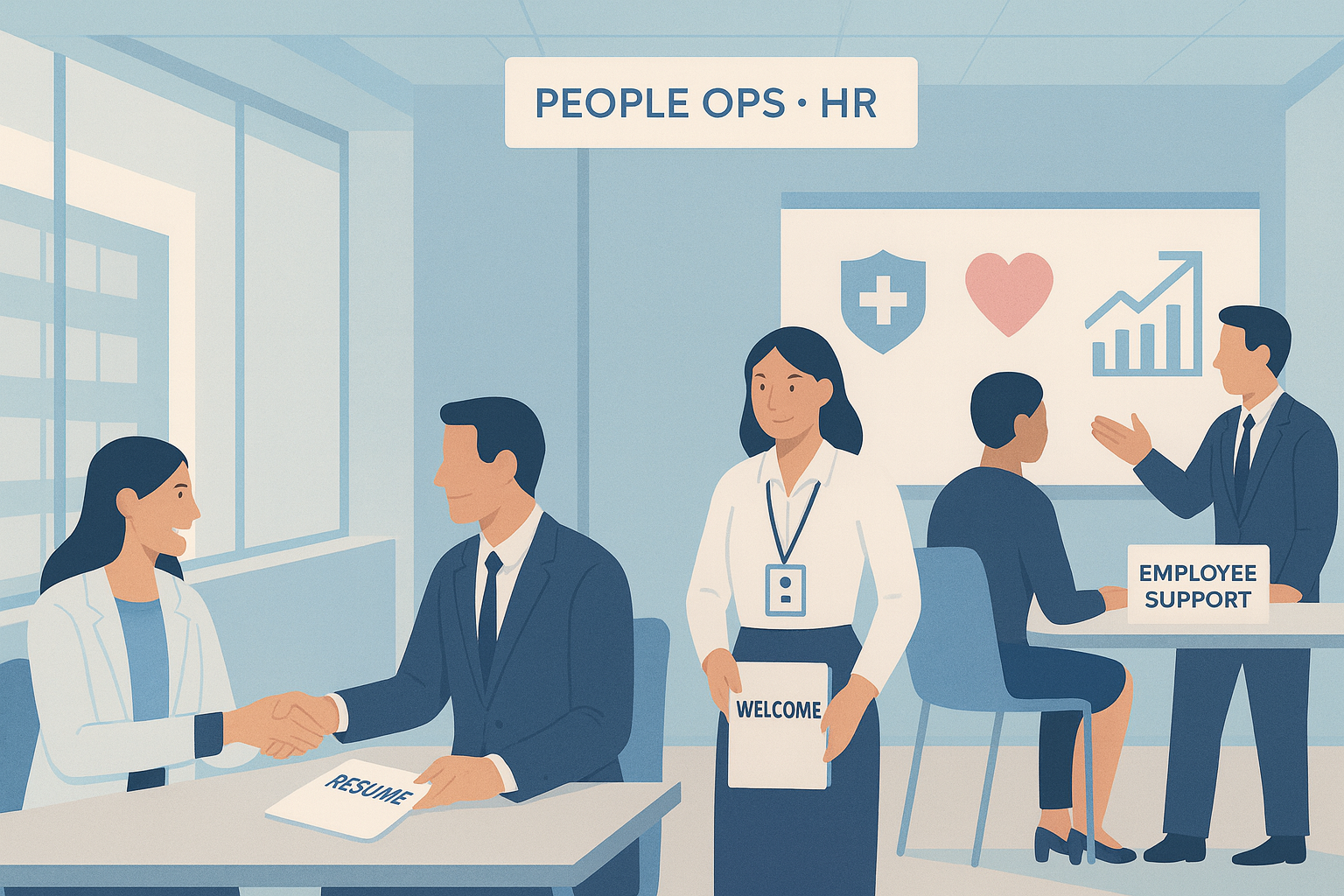
Hiring is often the first interaction a person has with a company. HR designs this experience carefully. From defining job roles to screening candidates and coordinating interviews, HR ensures consistency and fairness. The goal is not just to fill positions, but to find people who align with the organization’s culture and long-term needs.Strong hiring practices reduce future conflicts, performance issues, and turnover.
Onboarding and Employee Integration
Once a candidate joins, the real work begins. Onboarding shapes how employees perceive the organization. HR creates structured onboarding processes that introduce company values, clarify expectations, and provide access to tools and policies. A smooth start builds confidence and engagement early. Poor onboarding, on the other hand, often leads to confusion and disengagement.
Payroll, Benefits, and Compensation Management
Few HR responsibilities carry as much emotional weight as payroll. Employees expect accuracy, clarity, and timeliness. HR oversees salary structures, statutory deductions, benefits administration, and compensation reviews. These processes must comply with labor laws while remaining competitive. When handled well, compensation management builds trust. When mishandled, it damages morale quickly.
Compliance and Policy Governance
Workplaces operate within legal frameworks that change constantly. Employment laws, tax rules, and statutory benefits vary by region and evolve over time. HR ensures policies align with these regulations. It documents processes, updates guidelines, and ensures the organization remains audit-ready. This compliance role protects both the business and its employees.
Performance Management and Growth
Performance conversations shape careers. HR designs systems that track goals, feedback, and development plans. Rather than focusing only on evaluation, modern HR emphasizes growth. Continuous feedback replaces annual reviews. Skill development becomes ongoing. These systems help employees understand expectations while giving leaders clear visibility.
Employee Relations and Workplace Culture
Conflict is inevitable in any workplace. HR acts as a neutral bridge when issues arise. By addressing grievances, mediating disputes, and reinforcing ethical behavior, HR maintains a healthy work environment. Culture is shaped not by slogans, but by how issues are handled when they matter most. Trust grows when employees feel heard and protected.
Workforce Planning and Organizational Strategy
Beyond daily operations, HR contributes to long-term planning. Workforce forecasting, succession planning, and organizational design all fall within its scope. By analyzing workforce data, HR helps leaders anticipate needs rather than react to shortages. This strategic role becomes especially important during growth or restructuring. At this level, human resources moves from support function to strategic partner
Technology’s Role in Modern HR
Digital tools have transformed how HR operates. Automation improves accuracy. Analytics improve decision-making. HR systems now manage everything from attendance to performance tracking. These tools reduce manual effort and create consistency across processes. Technology allows HR professionals to focus more on people and less on paperwork.
Why HR Matters More Than Ever
Remote work, global teams, and shifting employee expectations have increased complexity. HR now navigates cultural differences, mental well-being, and flexible work models. Its role has expanded, but its purpose remains the same: creating environments where people and businesses thrive together. Organizations that invest in strong HR foundations adapt faster and perform better.
Conclusion
Understanding HR means understanding the human side of business. From hiring to compliance, growth to culture—every function connects back to people. As organizations become more complex, the need for structured and thoughtful people management becomes essential.
This is where HR proves its value—not just as an administrative function, but as a driver of stability and growth. With hrtailor, businesses can empower their HR teams through streamlined processes, compliance-ready systems, and scalable workforce management, along with monthly HR solutions.
FAQs
HR manages hiring, payroll, compliance, performance, employee relations, and workplace policies to support both employees and business goals.
Core functions include recruitment, onboarding, payroll, compliance, performance management, learning and development, and employee relations.
No. Even small businesses benefit from HR processes, especially for compliance, hiring consistency, and employee management.
HR focuses on policies, compliance, and workforce management, while people operations emphasizes employee experience and culture. In practice, many companies blend both under one function.

About Abhijit Divekar
Managing Director & Founder at HRTailor
Abhijit Divekar is the Managing Director and Founder of HRTailor, India's first dedicated online HR manager service for startups and SMEs. Founded in 2019, HRTailor has grown to serve over 200 clients across India, offering end-to-end HR outsourcing starting from just INR 10,000 per month. Abhijit writes about entrepreneurship, scaling business operations, and the future of HR outsourcing in India.